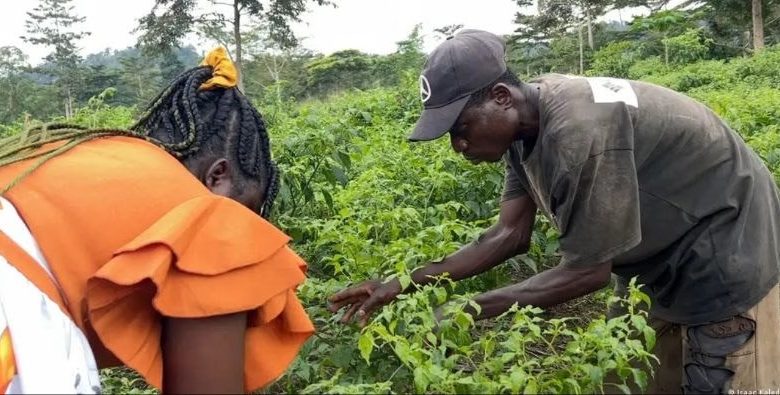
Across Ghana, local communities are quietly leading a transformation—one that tackles climate change while strengthening the very livelihoods that depend on the land. From the dry northern savannahs to the lush cocoa-growing forests in the south, residents are blending traditional knowledge with modern climate solutions, showing that environmental resilience often begins with grassroots action.
In northern communities such as Yiwagu and Bachabodo, elders and youth are working together to revive age-old conservation practices that once safeguarded their natural environment. Sacred groves—patches of forest traditionally protected for cultural or spiritual reasons—are being restored and respected again, helping to preserve biodiversity and stabilize local microclimates. Where tree-felling and charcoal production once dominated the local economy, communities are now adopting more sustainable livelihoods. Beekeeping, for instance, has surged as an attractive alternative: it provides families with income from honey sales while giving residents a strong incentive to keep surrounding forests intact.
Further south, in the forested landscapes of Atiwa, cocoa farmers are rethinking how they grow one of Ghana’s most important cash crops. Prolonged heat, erratic rainfall, and declining soil fertility have made traditional cocoa farming increasingly difficult. In response, farmers are turning to climate-smart agriculture—planting shade trees that cool the environment, enrich the soil, and restore damaged ecosystems. These mixed agroforestry systems not only boost cocoa yields but also help absorb carbon and maintain Ghana’s delicate forest cover.
Many of these grassroots efforts are receiving crucial support from the UN’s REDD+ initiative, which partners with communities to reduce emissions from deforestation and forest degradation. Through training, incentives, and community-led monitoring, REDD+ is helping to reinforce the message that conservation can go hand-in-hand with economic opportunity. Households are reporting improved incomes, forests are regenerating, and the atmosphere is spared thousands of tonnes of carbon emissions.
These local successes carry broader significance at a time when African countries are pushing for climate justice and fair financing on the global stage at COP30. While negotiators call for stronger commitments from industrialized nations, Ghana’s experience shows that with the right support, communities on the frontlines of the climate crisis can drive powerful change from the bottom up.
Together, the stories of Yiwagu, Bachabodo, and Atiwa reveal a common truth: meaningful climate action often grows from local knowledge, communal effort, and a shared responsibility to protect the environment. As Ghana’s communities continue to innovate, they offer a hopeful blueprint for climate resilience—rooted not only in policy but in everyday stewardship of the land.