
Ghana launches national plan to integrate natural resources into development decisions

Ghana has introduced a transformative, citizen-focused policy designed to ensure that the nation’s natural resources are fully accounted for in all major development decisions by the year 2034.
The newly launched National Plan for Natural Capital Accounting aims to weave environmental priorities into the core of economic planning, aligning the country’s ecological well-being with its overall growth agenda.
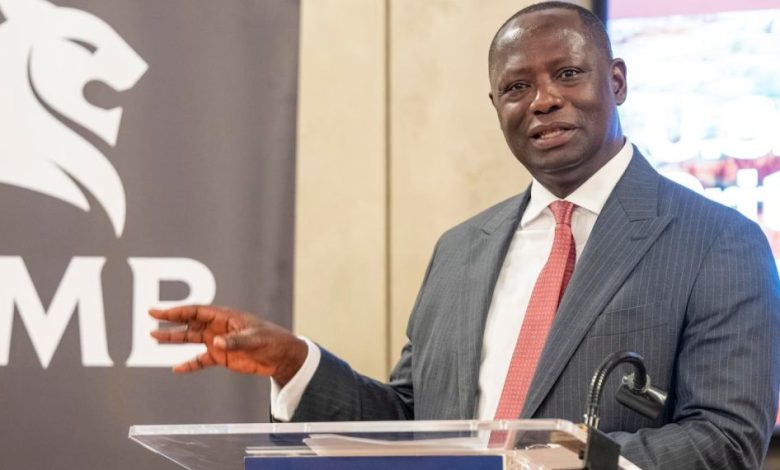
Addressing delegates at the Seventh Session of the United Nations Environment Assembly (UNEA-7) in Nairobi, Kenya, on Wednesday, December 10, the Minister of Lands and Natural Resources and Acting Minister of Environment, Science and Technology, Emmanuel Armah-Kofi Buah, underscored the urgency of the initiative.
He revealed that the effects of environmental degradation cost Ghana as much as 2.8 percent of its GDP each year, noting that more than half of the population relies directly on natural resources for their daily sustenance.
Key components of the programme include bolstering coastal protection across Ghana’s 550-kilometre shoreline through the West Africa Coastal Areas Resilience Investment Project (WACA-RESIP-2), restoring mangrove ecosystems, rehabilitating lagoons, and establishing protective infrastructure intended to preserve biodiversity and create environmentally friendly employment opportunities.
The plan also places heavy emphasis on a fair and inclusive energy transition, with priority investments in renewable energy systems and decentralised mini-grids to extend electricity access to rural areas, cut down carbon emissions, and promote sustainable economic progress.
Buah noted that the initiative embodies a practical, nature-based model for national development, ensuring that Ghana’s natural resources are properly valued and preserved for generations to come.
“For Ghana, our development depends on nature. This initiative ensures that every national decision reflects the true value of our natural capital,” he said.
Through this new framework, Ghana positions itself as a frontrunner in sustainable development within the region, demonstrating the vital connection between environmental management, economic advancement, and societal welfare.


