The Minority in Parliament has raised concerns over the decision by the Gold Board to grant Bawa Rock Company Limited exclusive rights as the sole aggregator for purchasing artisanal gold from suppliers nationwide.
According to the Minority, the arrangement has resulted in a monopoly that has weakened competition within the sector, thereby affecting fair pricing mechanisms and transparency.
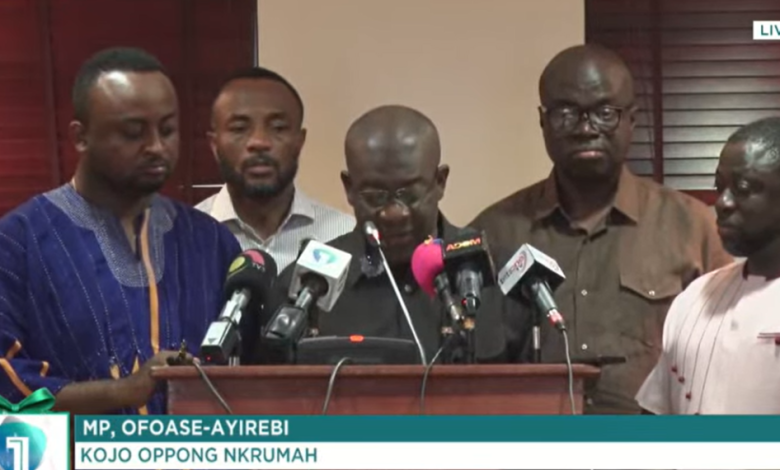
Speaking to the media on Monday, December 29, 2025, the Ranking Member on Parliament’s Economy and Development Committee, Kojo Oppong Nkrumah, said unresolved questions surrounding the operations of the company must be addressed to protect the credibility of the initiative.
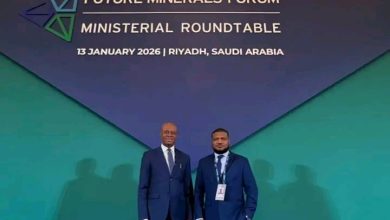
He drew attention to the role of Alhaji Bawa, owner of Bawa Rock Limited, noting that the company’s emergence as the only licensed aggregator has eliminated competition that previously ensured fairness, transparency, and guarded against rent-seeking.
“There’s a person known as Alhaji Bawa of Bawa Rock Limited. We bring to the attention of the Ghanaian people the role of his company in becoming the only aggregator licensed by the Gold Board to purchase all artisanal gold directly for the Gold Board from suppliers across the country. A de facto monopoly has been created in this industry where competition used to exist and used to ensure fair pricing, transparency, and the prevention of rent-seeking”
Oppong Nkrumah further questioned the process that led to the selection of Bawa Rock Limited, calling for public accountability.
“Who is benefiting from this deliberate monopoly? Who selected Bawa Rock Limited, and what criteria were used? Was it competitive? Who are the beneficial owners of this entity? These are questions the public deserves answers to,” he said.
The Minority’s concerns come against the backdrop of controversy sparked by an International Monetary Fund (IMF) report, which revealed that Ghana incurred losses estimated at about US$214 million under the Bank of Ghana’s Gold-for-Reserves programme. The IMF flagged the development as a possible threat to the country’s economic stability.
In response, GoldBod has dismissed the claims, maintaining that it has not suffered any losses and is instead on track to record a surplus of at least GH¢600 million by the end of the 2025 financial year.
In a statement, GoldBod’s Chief Executive Officer, Sammy Gyamfi, clarified that the institution does not charge off-taker fees and that its role is confined to purchasing, assaying, and exporting gold on behalf of the Bank of Ghana. He added that all gold trading and sales remain the responsibility of the central bank.