NAIMOS Shuts Down Galamsey Operations Polluting River Bisi at Duayaw Nkwanta

The National Anti-Illegal Mining Operations Secretariat (NAIMOS) has intensified its clampdown on illegal mining in the Ahafo Region with a successful operation at Duayaw Nkwanta that led to the closure of several galamsey sites along the River Bisi.
The intelligence-led operation, carried out on Monday, 19 January 2026, between 5:00 a.m. and 1:00 p.m., targeted mining activities that were discharging polluted water directly into the River Bisi, a major tributary of the Tano River. The river serves as a critical source of water for domestic use, farming and fishing for surrounding communities.
Communities affected by the pollution include Egya Wuradu Kuro, Egya Antwi and Nana Etufuwaa Kuro, all within the Tano North Municipality. Residents in these areas have complained of declining fish stocks, destruction of farmlands, and the contamination of water used for household purposes, posing serious health and environmental risks.
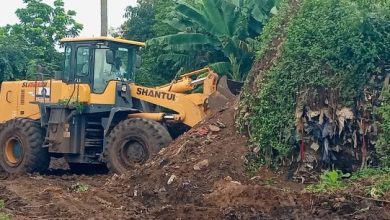
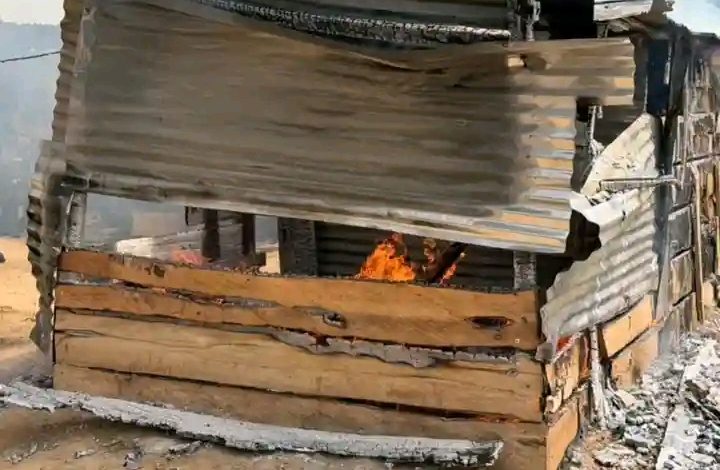
During the raid, the NAIMOS task force dismantled the entire illegal mining camp, including makeshift shelters and logistics bases used by the operators. Several pieces of equipment were destroyed on site to prevent their reuse, among them three heavy-duty multi-purpose water pumping machines, gold washing platforms, generators and washing pans.
Following the operation, the task force engaged traditional authorities, opinion leaders and residents of the affected communities to educate them on the dangers of illegal mining, particularly its impact on water bodies, agriculture and public health. The engagement also emphasized the need for community cooperation in reporting illegal activities and protecting natural resources.
NAIMOS reaffirmed its commitment to sustaining pressure on illegal mining operations across the country and indicated that similar intelligence-driven operations will continue in other hotspots to restore polluted rivers and safeguard the livelihoods of communities that depend on them.