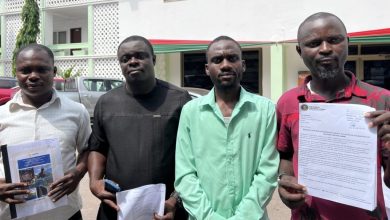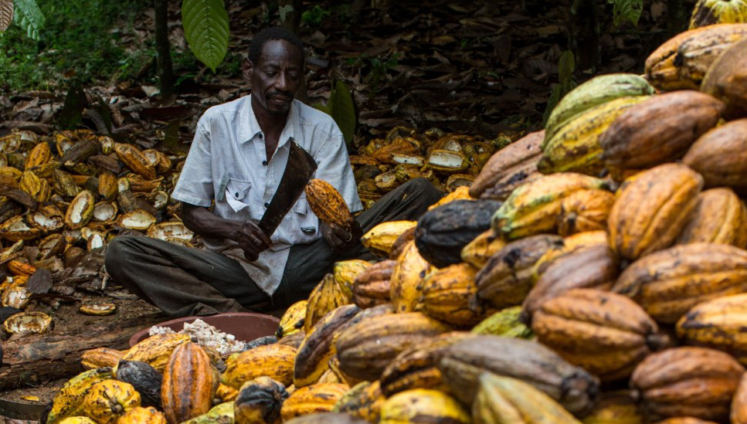
Some cocoa farmers across Ghana say they are still awaiting payment for cocoa beans supplied as far back as November 2025, a situation they say has made it difficult to cater for basic living needs.
Farmers who spoke to JoyNews Research from several cocoa-growing areas indicated that payments for cocoa delivered months ago are yet to be settled, despite multiple assurances from the Ghana Cocoa Board (COCOBOD).
“We are yet to receive payment for beans sold since November last year. This is the first time I have experienced such a long delay,” one farmer told the JoyNews Research team.
Another farmer expressed concern that some licensed buying companies (LBCs) that purchased their produce are no longer responding to them. “Some of the buyers have switched off their phones, and we have no clear information on when payments will be made,” he said.
In October last year, Ghana announced a farmgate price of 58,000 Ghana cedi per metric tonne, equivalent to approximately $4,640, reflecting a 12 per cent increase.
However, current data indicate that global cocoa prices are hovering around $4,700 per tonne, a development that has squeezed profit margins and complicated COCOBOD’s ability to meet payment commitments, particularly under the revised pre-financing arrangement.
The new financing model, introduced for the 2024/2025 cocoa season, transferred responsibility for pre-financing cocoa purchases from COCOBOD to international traders.
Sources familiar with the matter told Reuters that higher-than-anticipated cocoa output, combined with traders’ hesitation to pay deposits of at least 60 per cent of forward contract values at the beginning of the season, has resulted in a large accumulation of unsold cocoa beans. The sources did not disclose the exact size of the stockpile.
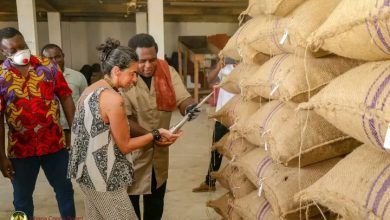
Under the restructured system, farmers sell cocoa to licensed buying companies, which then supply COCOBOD. The regulator, through its marketing subsidiary, sells the beans to international buyers.
Previously, COCOBOD raised annual funding through syndicated loans and distributed the funds to licensed buying companies, which purchased cocoa from farmers and delivered it to the board for export. This system had been in place for about 30 years.
Funding challenges emerged during the 2023/2024 crop season after rising interest rates and concerns over Ghana’s ability to deliver cocoa without defaulting discouraged lenders.
Industry insiders say a recent drop in international cocoa prices has further constrained COCOBOD’s ability to secure advance payments from traders, prompting the central government to intervene with financial support.
“The bitter truth is that there is no money to fund the purchases and farmers are bearing the cost,” another farmer and aggregator told JoyNews Research.
Ghana is estimated to lose between 100,000 and 150,000 metric tonnes of cocoa annually through smuggling, and there are concerns that persistent payment delays could intensify the problem in the upcoming season.
Meanwhile, figures from the Bank of Ghana show that cocoa export earnings have more than doubled compared to the previous season, reaching nearly $4 billion, the highest level recorded since the COVID-19 pandemic.
Source: JoyNews