
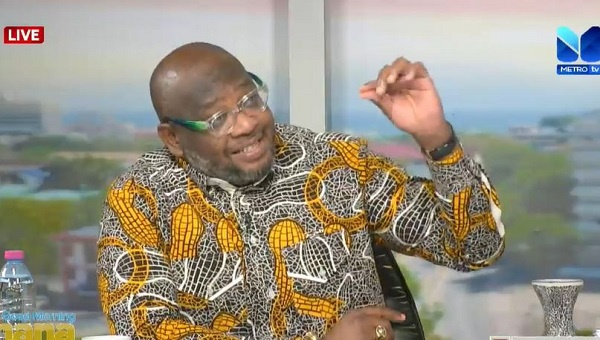
The Chief Executive Officer of the Ghana Cocoa Board (COCOBOD), Dr. Randy Abbey, has dismissed claims that money meant for cocoa farmers was used to buy vehicles for management, stating that the purchases were made strictly to support operations in the cocoa sector.
His response follows public concerns suggesting that COCOBOD redirected funds intended for farmers to procure cars for senior officials and directors.
Dr. Abbey acknowledged that approximately 22 vehicles have been procured but maintained that they were not acquired for the personal use of management staff.
He explained that the vehicles form part of broader efforts to improve field operations, strengthen logistics, and enhance service delivery to cocoa-producing communities nationwide.
“I see that there is some news out there and that has to do with a post by a former employee of this company that we’ve used money meant for farmers to secure cars. Clearly you can tell the intent of this post to incite farmers but that is not the case and they even said the vehicles was bought for regional directors meanwhile a former employee should know better”.
“Let me address the issue, it is true that we have ordered vehicles which some have been delivered but they are not meant for directors. We gave one to the best farmer recently and one for the Bunso Cocoa college”, he said.
Dr. Abbey further indicated that the vehicles are meant to support the development of the cocoa industry, particularly farmer-oriented programmes, supervision activities, and monitoring processes, rather than serving as benefits for board members or officials.
He emphasised that improved logistics are essential for increasing productivity, strengthening extension services, and maintaining closer engagement with farmers across the country.
This clarification comes amid heightened public scrutiny of COCOBOD’s expenditure and funding structures, as stakeholders demand greater transparency and stronger institutional support for cocoa farmers in the face of ongoing industry challenges.


