
GMet Warns of Delayed, Weak Harmattan with Sporadic Severe Dust Episodes

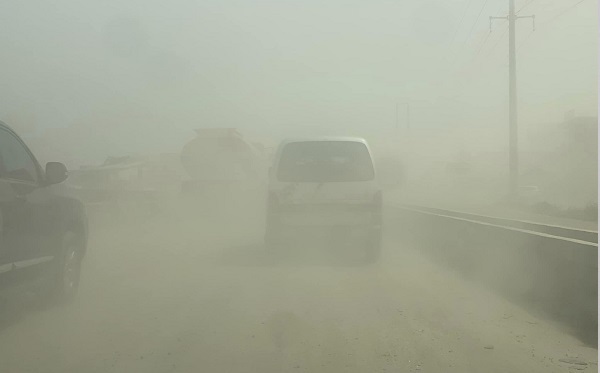
The Ghana Meteorological Agency (GMet) has issued a public weather advisory for the 2025/2026 Harmattan season, cautioning that the dry period is unusually delayed and expected to be generally weak, with intermittent severe dust conditions likely in northern Ghana and continued rainfall in parts of the south.
In an advisory dated December 30, 2025, GMet explained that the Harmattan has arrived later than normal, with several areas in southern Ghana still recording rainfall toward the end of December, a situation the Agency described as “statistically rare for this time of year.” Even the northern regions, which typically experience peak dryness during this period, have seen occasional rainfall.
According to GMet, the delay is largely due to marked fluctuations in the position of the Inter-Tropical Boundary (ITB), which has remained farther north than usual, alongside warmer-than-average sea surface temperatures in the Gulf of Guinea. These conditions, the Agency noted, have allowed moisture to persist over the country, resulting in continued rainfall.
Looking ahead to the first quarter of 2026, GMet forecasts a transition into a generally weak Harmattan season, while cautioning that sporadic episodes of severe conditions may still occur. Northern Ghana is expected to become increasingly dry and dusty, with reduced visibility compared to southern areas. In contrast, forest zones and parts of the coastal belt may continue to experience localized rainfall due to ongoing ITB movements and warm ocean temperatures.
The Agency further indicated that northern areas could be affected by occasional intense dust plumes, while the middle and coastal belts are likely to experience a mild or weak dry season. Higher humidity levels and fewer hazy days than usual are anticipated in the south, although isolated dust intrusions cannot be ruled out.
GMet has advised the public to stay well hydrated, wear protective nose masks during periods of dense dust haze, and exercise heightened caution on roads, particularly in the early mornings and at night when visibility may be poor. Motorists are encouraged to use fog lights or headlamps under low-visibility conditions.
The Agency also cautioned against open-air burning and recommended wearing light clothing during the day, while keeping warm clothing available for cooler nighttime temperatures, especially in northern parts of the country.
GMet assured the public that it will continue to closely monitor atmospheric developments and issue further updates should significant changes occur.


