
LaDMA to rezone parts of Kpeshie Lagoon buffer zone for residential use

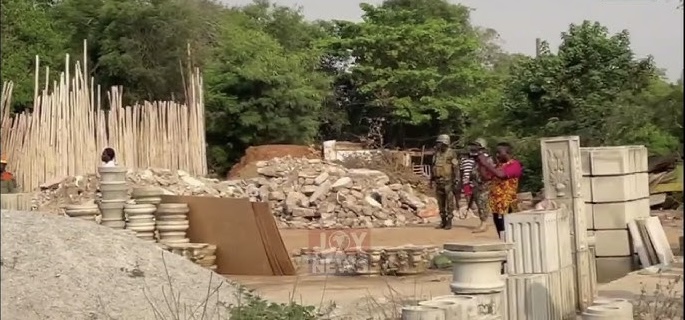
In a move that has triggered strong reactions from environmental advocates and urban development experts, the La Dade-Kotopon Municipal Assembly (LaDMA) has disclosed plans to reclassify sections of the Kpeshie Lagoon buffer zone to allow residential development.
This policy change follows a three-day demolition exercise carried out by the National Disaster Management Organisation (NADMO), which adopted a zero-tolerance approach in clearing unauthorised structures in the area.
Although the operation resulted in the demolition of several buildings as part of flood-prevention efforts ahead of the 2026 rainy season, LaDMA is now seeking to formally legitimise the upscale, fully completed properties that remained untouched.
The Kpeshie Lagoon, an environmentally sensitive wetland, has long been designated a restricted zone for development. Despite this, the construction of luxury apartments and gated residences has continued to expand, largely outstripping regulatory enforcement.
According to the Municipal Chief Executive (MCE) for La Dade-Kotopon, Alfredos Nii Anyetei, the Assembly has opted to halt further demolitions and instead acknowledge the existence of the remaining structures in order to integrate them into the municipal revenue system.
“Those who were not affected by the demolition will have their presence regularised within the demarcated area, after which we will collect their property rates and building permits. The area will now be rezoned for residential use,” Nii Anyetei stated in an interview with Citi News.
He conceded that the location was never zoned for settlement, given its nature as a wetland highly susceptible to flooding.
For many years, LaDMA enforced a strict “no-permit” policy in the enclave. Nonetheless, developers proceeded with construction, often operating on the assumption that the cost of demolishing completed luxury properties would deter state intervention.
“So the whole enclave was filled with water; it’s an ecological site, and since it is not a place for residential occupation, the assembly over the years has not granted anybody a permit to be there,” he explained.
Opponents of the decision contend that rezoning the area amounts to legitimising illegal development, particularly as the recent demolitions disproportionately affected smaller and less permanent structures.
With the area now earmarked for residential use, LaDMA is expected to undertake major drainage improvements to reduce flood risks for the remaining properties.
By retrospectively issuing permits and collecting property rates, the Assembly intends to generate revenue to finance the flood-control infrastructure made necessary by years of encroachment into the lagoon.
Source: JoyNews


