EPA moves to regulate gold leaching, warns illegal operators of prosecution

The Environmental Protection Agency (EPA) has rolled out extensive nationwide actions to curb unregulated gold leaching activities, cautioning operators to meet newly introduced environmental requirements or risk prosecution.
The Agency has identified chemical leaching as a growing environmental threat, pointing to increasing incidents of toxic wastewater discharge, land pollution, and the destruction of vital water bodies in mining areas.
Under a new regulatory framework, all gold leaching operators will be mandated to undergo environmental safety training and obtain certification as part of efforts to formalise the activity and ensure compliance.
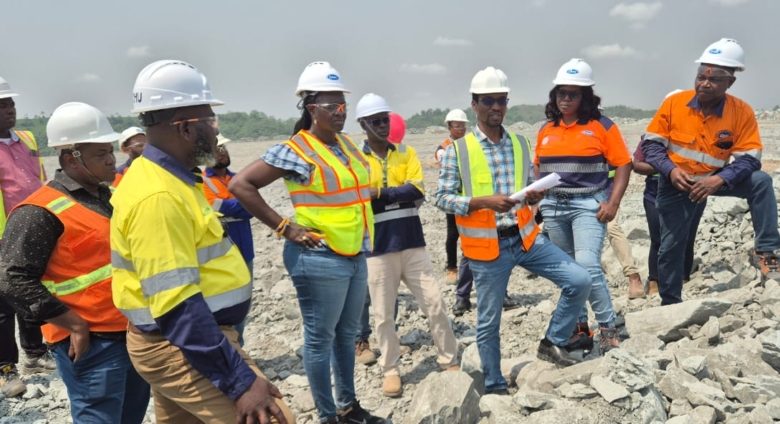
The move follows a high-level meeting between EPA leadership and executives of leaching associations in Tarkwa in the Western Region, signalling the start of a coordinated national enforcement campaign targeting chemical pollution-prone areas.
Gold leaching typically involves soaking crushed ore in chemical substances such as cyanide and strong acids to extract gold.
When carried out without the necessary environmental permits, proper containment infrastructure, and waste management systems, the process poses serious risks, including toxic leakages, groundwater contamination, and long-term damage to ecosystems.
Although prohibited under Ghana’s environmental and mining laws, the practice has been spreading across several mining communities. Following inspections at multiple sites in Tarkwa, the EPA summoned leachers and presented a structured compliance plan focused on regulating chemical use, enhancing environmental surveillance, and enforcing pollution control measures.
EPA Chief Executive Officer, Prof. Nana Ama Browne Klutse, said the Authority is moving from outright illegality toward a system of strict regulation and environmental supervision.
“As we speak, the activity is illegal, but the EPA has developed regulations to control and regularise the operations of the leachers. We have agreed that they will go through training and certification to ensure they mine sustainably without polluting the environment,” she stated.
She noted that the implementation process will start with registration, training, and the gradual issuance of environmental permits.
“To start with, there will be training. We will register them and then move toward granting permits under strict environmental conditions,” Prof. Klutse added.
The new framework also places strong emphasis on regulating the supply of chemicals to prevent indiscriminate access to hazardous substances.
“We want to regulate the sources of cyanide and acids used in gold processing. The associations will be empowered to help control how these chemicals are procured and distributed to their members, ensuring their activities have minimal environmental impact,” she said.
The EPA has given operators until the end of February 2026 to begin the compliance process, warning that failure to do so will result in legal action.
“Immediately next week, we will begin issuing notices. From the second week of February, registration will start, and by the end of the month, the permit process will commence. We will also work with them on the construction of safer, environmentally sound processing plants,” she revealed.
Prof. Klutse cautioned that operators who fail to comply will face sanctions under existing environmental laws.
“As EPA normally does, if you fail to comply with our regulations or conditions to protect the environment, we will apply sanctions. Beyond administrative penalties, we can prosecute depending on the severity of the violation,” she warned.
A representative of the Tarkwa leaching association, Lord King Aikins, welcomed the initiative and pledged cooperation.
“This meeting has been helpful. We now understand that some of our practices are harmful. The EPA will inspect even what we have already done and guide us so we don’t pollute the environment. It is welcome news for us,” he said.
The EPA says the enforcement exercise forms part of a wider strategy to protect Ghana’s environment, safeguard communities downstream, and prevent irreversible contamination of land and water resources by hazardous mining chemicals.
Source: JoyNews