Ghana has still not attained self-sufficiency in tomato production, despite years of investment in greenhouse technology and controlled-environment farming, the Peasant Farmers Association of Ghana (PFAG) has disclosed.
The Executive Director of PFAG, Bismark Owusu Nortey, has raised concerns that the numerous greenhouse initiatives across the country have failed to deliver sustainable, all-year-round tomato production.
He made the remarks on Joy FM’s Midday News on Monday, February 23, noting that persistent structural challenges continue to hinder farmers from producing tomatoes consistently and on a large scale.
“It’s unfortunate that over the years of investment in greenhouse facilities for tomatoes, we are still not able to be self-sufficient in the production of that crop,” he said.
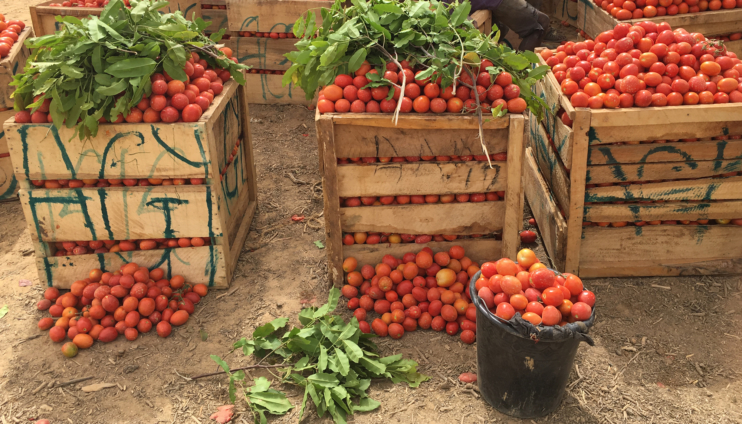
His comments come at a time when tomato prices have surged in several markets across Accra, following last week’s deadly attack on Ghanaian traders in neighbouring Burkina Faso. Market women say the disruption to cross-border trade has affected supply, resulting in shortages that have driven prices higher and placed additional pressure on consumers.
Mr. Nortey pointed to the absence of industrial tomato processing plants as a critical weakness in Ghana’s agricultural value chain. He explained that without processing factories to absorb surplus production during peak harvest periods, farmers lack the motivation to invest in year-round cultivation.
“We do not have industrial tomato processing factories where we can create a system for farmers to produce all year round to feed those industries,” he explained.
He further observed that the lack of processing capacity not only causes post-harvest losses during bumper seasons but also discourages farmers from expanding production beyond seasonal cycles.
According to him, achieving true self-sufficiency goes beyond building greenhouses. It requires coordinated investment in irrigation infrastructure, storage systems, seed development, and agro-processing industries.
He emphasised that until these interlinked challenges are resolved, Ghana will remain dependent on tomato imports during lean seasons — leaving the country vulnerable to external supply disruptions and price instability.
Mr. Nortey therefore called for a holistic agricultural development strategy that integrates production, storage, and processing to promote sustainable growth and strengthen national food security.
Source: Joy News